We provide a full range of road marking testing services in line with EN 1436:2018, the European Standard for Road marking performance for road users and test methods. This standard defines how road markings perform for road users, including day and night visibility, colour, and skid resistance, as well as the required test methods and conditions. It is widely used in contracts and specifications across Ireland and Europe.
Key Performance Parameters in EN 1436:2018
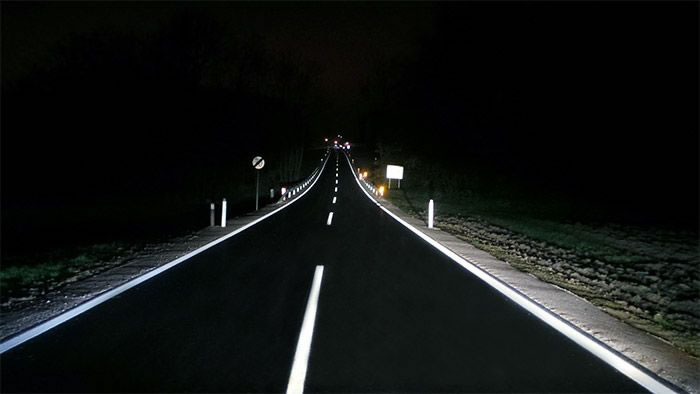
Measures how effectively road markings reflect vehicle headlights back to the driver. Critical for night-time safety and assessed under both dry and wet conditions. In the photo you will see an example of lines demonstrating high nighttime reflectivity.
Measures how visible road markings are in daylight conditions.
Dependent on contrast with the road surface.
Both retroreflectivity (RL) night visibility and daytime luminance (Qd) can be measure simultaneously using a Retroreflectometer.
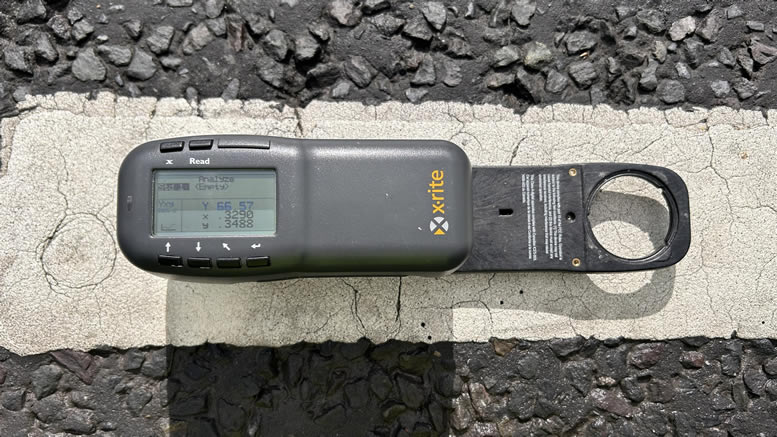
Luminance factor (β) is a simple way of measuring how bright and visible a road marking is during the day, helping ensure drivers can clearly see road guidance markings. A new line will generally have a high luminance and as it gets worn or contaminated its luminance can drop.
Ensures markings meet defined colour requirements (e.g. white, yellow) for consistency and recognition.
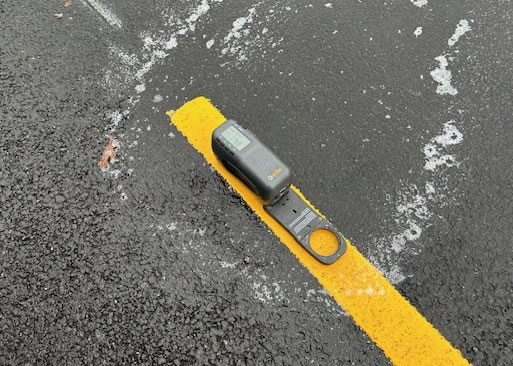
Measuring luminance β and chromaticity with a luminance meter. Lines prewash prior to testing if contaminated with dirt.
Measures the friction provided by the marking surface to ensure it does not create a slip hazard.
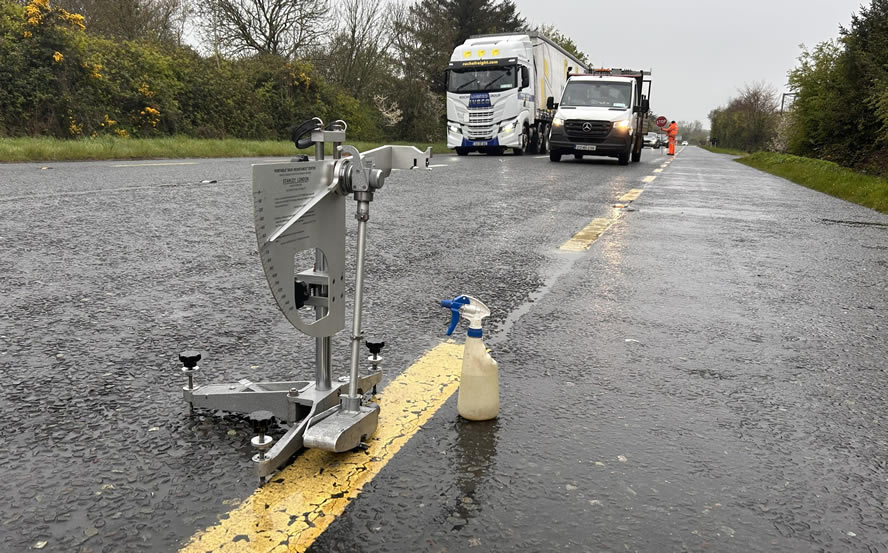
Measuring skid resistance using a pendulum skid tester
Performance Classes
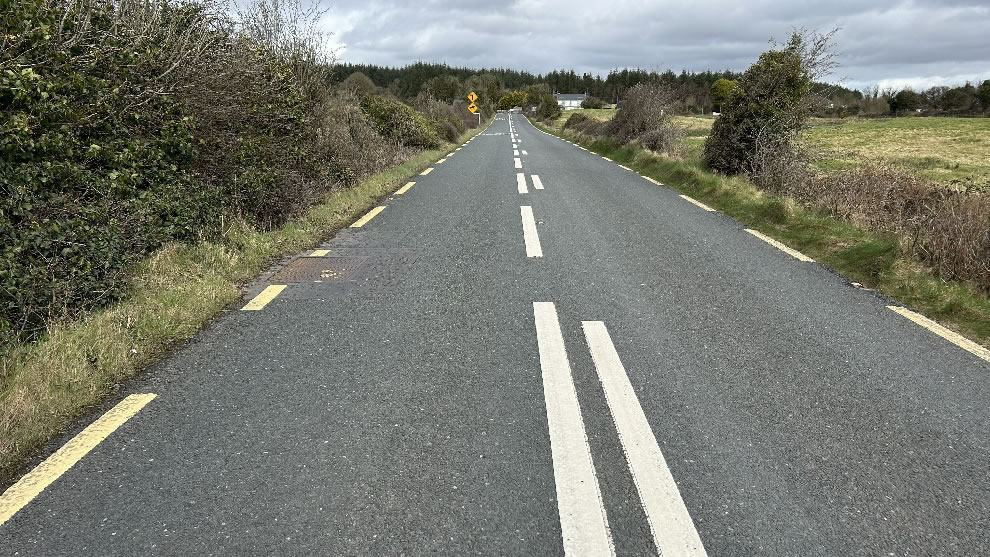
EN 1436 also defines performance classes, which set minimum required levels. These are typically specified in contract and tender requirements.
New Service Planned 2026.
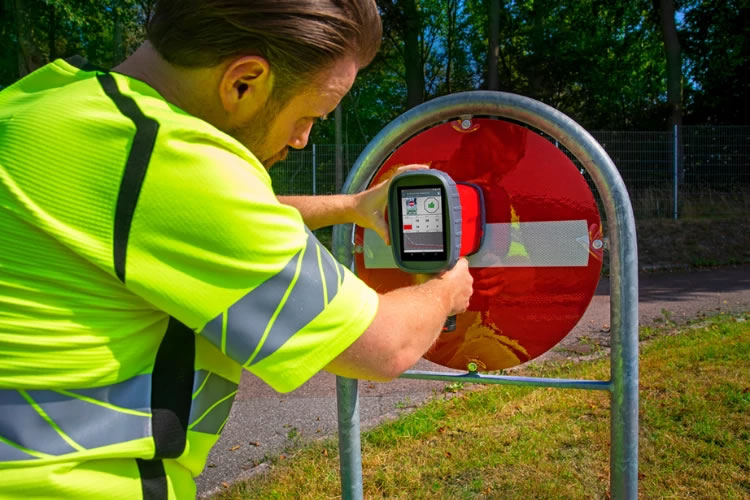
Retroreflectivity testing of road signs to EN12899-1-2007 (fixed vertical road traffic signs).
Contact us today to discuss your testing requirements and how we can support your reporting, compliance and maintenance needs.